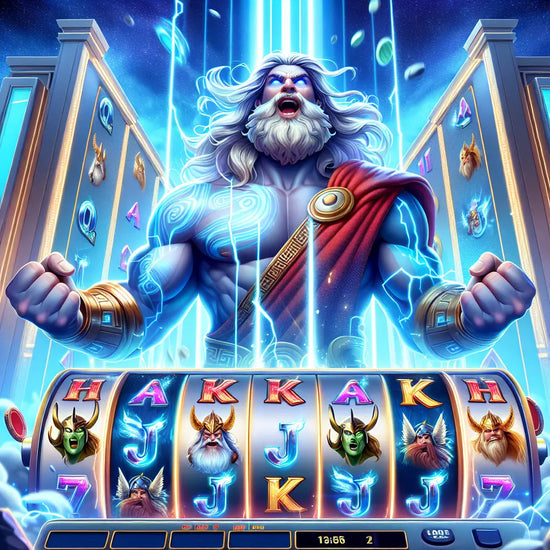
“Berkembang di Dunia Perjudian: Demo Slot Gacor Menawarkan Hiburan Tanpa Batas!”
Perjudian telah menjadi bagian dari kehidupan manusia sejak zaman dahulu. Dari taruhan sederhana hingga permainan kasino yang megah, manusia selalu mencari cara untuk mendapatkan hiburan dan kesenangan dari permainan ini. Namun, dengan berkembangnya teknologi, perjudian juga mengalami evolusi yang signifikan. Salah satu bentuk perjudian yang paling populer saat ini adalah permainan slot online atau yang sering disebut dengan mesin slot.
Mesin slot sendiri telah ada sejak akhir 1800-an, tetapi dengan kemajuan teknologi, kini mesin slot dapat diakses secara online melalui komputer atau perangkat seluler. Namun, terkadang sulit untuk menemukan mesin slot yang benar-benar menghibur dan menarik. Itulah mengapa demo slot gacor hadir untuk memberikan sensasi bermain tanpa batas bagi para pemainnya.
“Keseruan Tanpa Risiko: Coba Keberuntunganmu dengan Demo Slot Gacor yang Menggoda!”
Demo slot gacor menawarkan pengalaman bermain yang seru tanpa harus mengeluarkan uang atau mengambil risiko. Sebagai pemain, Anda dapat mencoba berbagai macam jenis mesin slot tanpa harus khawatir kehilangan uang. Dengan fitur demo slot, Anda dapat menguji berbagai strategi dan melatih keterampilan Anda dalam bermain slot sebelum memutuskan untuk bermain dengan uang sungguhan.
Selain itu, demo slot gacor juga menawarkan berbagai tema dan grafis yang menarik. Dari tema klasik seperti buah-buahan hingga tema modern seperti superhero, para pemain dapat memilih jenis permainan yang sesuai dengan selera mereka. Dengan begitu banyak pilihan, setiap pemain dapat menemukan mesin slot yang membawa sensasi dan kesenangan yang berbeda.
Selain itu, demo slot gacor juga menawarkan fitur-fitur menarik seperti bonus dan putaran gratis yang dapat meningkatkan peluang Anda untuk menang. Dengan demikian, Anda dapat mencoba keberuntungan Anda tanpa harus mengambil risiko keuangan. Namun, perlu diingat bahwa meskipun tidak ada risiko keuangan, tetapi sensasi dan keseruan bermain tetaplah sama seperti bermain dengan uang sungguhan.
Dengan semua keuntungan yang ditawarkan oleh demo slot gacor, tidak mengherankan jika permainan ini semakin populer di kalangan para pemain judi online. Selain itu, demo slot gacor juga dapat diakses kapan saja dan di mana saja melalui perangkat seluler, sehingga para pemain dapat menikmati permainan ini tanpa harus terikat oleh waktu atau lokasi.
Jadi, tunggu apa lagi? Nikmati sensasi bermain tanpa batas dengan demo slot gacor dan coba keberuntunganmu dalam memenangkan hadiah besar. Dengan berbagai pilihan mesin slot yang menarik dan fitur-fitur menarik yang ditawarkan, Anda pasti akan merasa terhibur dan terpikat oleh permainan ini. Jangan ragu untuk mencoba demo slot gacor dan rasakan sendiri keseruan dan keuntungannya!